
Xtreme Gel Blue vs Clear: Which Hold Is Right for You?
Choosing between blue and clear gel formulas isn’t just about color preference — each delivers a distinct hold profile, finish, and styling experience that can make or break your look. We designed our blue and clear gel lines to solve different styling challenges, and understanding what sets them apart helps you get the exact performance you need.
Whether you’re locking down intricate styles, smoothing natural texture, or chasing all-day control without buildup, the xtreme gel blue vs clear decision comes down to matching the formula’s strengths to your hair’s demands. Here’s how to pick the one that works.
Hold Strength and Control: What Each Formula Delivers
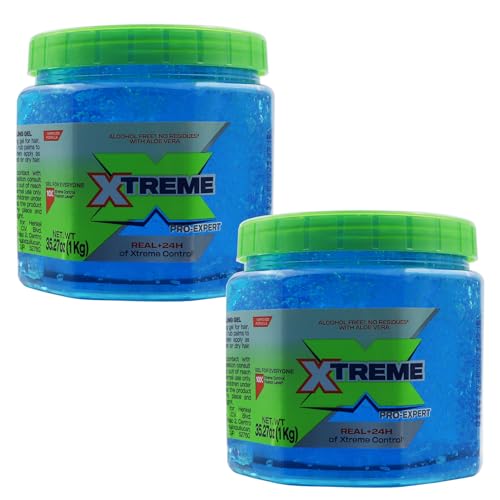
Our blue gel formulas are engineered for maximum grip — the kind of hold that keeps intricate styles, sharp edges, and sculpted shapes exactly where you place them for 12+ hours. The polymer matrix in blue gels creates a firmer set, making them the go-to choice for slick-backs, pompadours, spikes, and any look that can’t afford to shift mid-day.
Clear gels prioritize flexibility over rigid lock-down. They deliver strong hold without the board-stiff finish, letting hair move naturally while still controlling frizz and flyaways. That makes clear formulas ideal for textured styles, waves, and looks that need definition without sacrificing touchability. Both versions resist humidity and sweat, but the blue line’s tighter bond handles extreme conditions — high heat, physical activity, long shifts — more reliably than the clear.
Finish and Residue: Visual Differences That Matter
Blue gel leaves a visible tint on application that disappears as it dries, but the final finish carries a subtle sheen — not greasy, but noticeably glossy under direct light. That sheen amplifies the polished, styled look many users want, especially on darker hair where the contrast reads as intentional shine.
Clear formulas dry to a matte or low-sheen finish depending on how much product you use. They’re nearly invisible in the hair once set, making them the better pick for natural or understated styles where you want control without announcing you’re wearing gel.
Flaking and Buildup
Neither formula flakes when used correctly, but overloading blue gel or layering it over other products can leave white residue if the hair is manipulated after drying. Clear gels are more forgiving in that respect — they tolerate re-styling and touch-ups without the same risk of visible buildup. For users who need to adjust their look throughout the day, clear gel options handle repeated manipulation better.
Hair Type Compatibility and Application Tips
Blue gel works best on coarse, thick, or curly hair that needs serious muscle to stay in place. The heavier hold compensates for hair’s natural spring and volume, so styles that would otherwise relax or puff out stay compressed and defined. Apply it to damp hair for even distribution, then let it air-dry or use low heat — high heat can cause the gel to stiffen unevenly.
Clear gel suits fine to medium hair textures that don’t need aggressive hold but still want frizz control and shape. It’s also the safer bet for color-treated or chemically processed hair, since the lighter formula doesn’t weigh down already-fragile strands. A dime-sized amount usually covers shoulder-length hair; work it through evenly and avoid concentrating product at the roots unless you’re deliberately slicking hair back. The BioSilk line demonstrates how lighter styling agents can complement rather than overpower chemically treated hair, a principle that applies equally to choosing gel formulas by weight and bond strength.

Washing Out and Daily Use Considerations
Blue gel’s firmer hold means it also clings harder during wash-out. A single shampoo usually removes it completely, but users with very thick or long hair sometimes need a clarifying wash or a second lather to eliminate all residue. If you use blue gel daily, rotating in a deep-cleansing shampoo once a week prevents long-term buildup that can dull hair and weaken the gel’s grip on subsequent applications.
Clear formulas rinse out more easily with standard shampoo, making them the practical choice for daily users who don’t want a 10-minute wash routine. They also layer better with leave-in conditioners and serums — blue gel’s stronger polymers can clash with silicone-based products, leaving a tacky or uneven feel, while clear gels integrate more smoothly into multi-product routines.
Matching Gel Formula to Your Styling Goals
The xtreme gel blue vs clear choice ultimately hinges on whether you prioritize maximum hold and high-gloss finish or flexible control with a natural look. Blue gel is your tool for styles that demand all-day rigidity and resistance to tough conditions, while clear gel gives you strong performance without the weight or shine that announces itself.
Neither formula is objectively better — they’re built for different needs, and picking the right one means being honest about your hair type, the style you’re after, and how much maintenance you’re willing to invest in washing and reapplication. Try both if you’re unsure; many of our customers keep one of each on hand and switch depending on the day’s demands.
Common Questions About Blue vs Clear Gel Formulas
No. The blue tint is a water-soluble dye that rinses out completely during the first wash.
It doesn’t penetrate the hair shaft, so even platinum blonde or gray hair won’t pick up lasting color. The tint exists purely to help you see where you’ve applied the gel before it dries clear.
Yes, mixing the two formulas works fine and lets you dial in a middle-ground hold that’s firmer than clear alone but more flexible than straight blue. Start with a 50/50 ratio and adjust from there.
Just blend them thoroughly in your palm before applying — uneven mixing can create inconsistent hold across different sections of your hair.
Blue gel handles extreme humidity and perspiration more reliably because of its tighter polymer network. Styles hold their shape longer in humid climates or during physical activity.
Clear gel still resists humidity well for everyday conditions, but if you’re working outdoors in summer heat or exercising, blue gel gives you a stronger insurance policy against your style breaking down.
It depends on your hair texture. Fine to medium hair can achieve a clean slick-back with clear gel, especially if you apply it generously and comb through while damp.
Thick or coarse hair usually needs the extra grip blue gel provides to stay flat and smooth all day. If you try clear and your hair starts lifting at the crown by midday, switch to blue.
Blue gel takes slightly longer to dry because of its denser formulation, usually an extra 5-10 minutes compared to clear. If you’re air-drying, plan accordingly.
Using a blow dryer on low heat speeds up both, but be cautious with blue gel under high heat — it can set unevenly and create stiff patches if dried too fast.
Yes, but application technique matters. Apply blue gel to soaking-wet hair using the shingling or raking method, then let it air-dry or diffuse on low.
The firm hold locks curls in place without flattening them, giving you defined, frizz-free coils. Avoid scrunching blue gel through dry or damp hair — that can cause clumping and uneven distribution that blurs curl patterns.